

Superbloom Fund Grantees

Our grantees protect Earth’s vital ecosystems while uplifting women and girls.
Rising Together, Leading Change

It Starts With Community
Our grantees are fostering a new generation of environmental stewards.
-
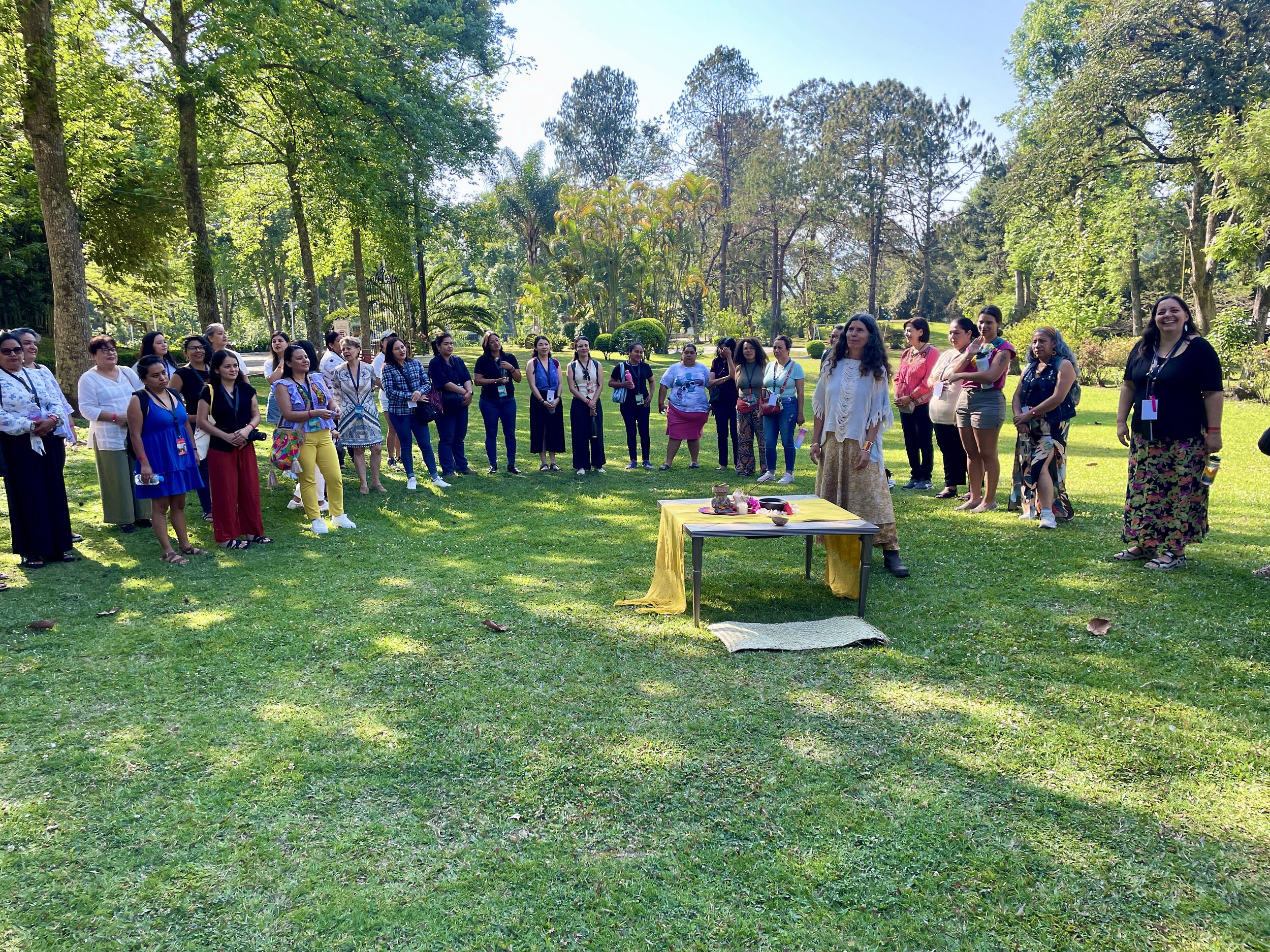
The Women in Nature Network (WiNN) was founded in 2013 by 12 leading conservationists and has grown to become a recognized global community of over 1,000 women working to protect and restore nature. WiNN members range from women revitalizing ecosystems at the community level to leaders of international conservation organizations.
Women offer some of the most powerful and creative solutions to the pressing challenges of conservation, species and habitat loss, and climate change. The Women in Nature Network (WiNN) fosters a global community that connects, supports, and empowers them as conservation leaders through the power of networks, mentorship, global events, and direct support.
The women of WiNN can be found around the globe. They range from university students just beginning their careers to established conservationists who’ve been honored with Whitley awards and recognized as National Geographic Fellows and U.N. Champions of the Earth. WiNN welcomes any woman or gender-expansive person interested in or working in conservation to join our collective. Their goal is to create a welcoming, supportive, and inclusive community where current or aspiring conservationists can connect with others to expand their knowledge and resource base. Working together, women can vastly scale the collective impact needed to restore our world.
The grant from Superbloom goes to co-funding the annual WiNN meeting in Tanzania in 2027 where 100 WiNN women connect, share, and empower each other.
-
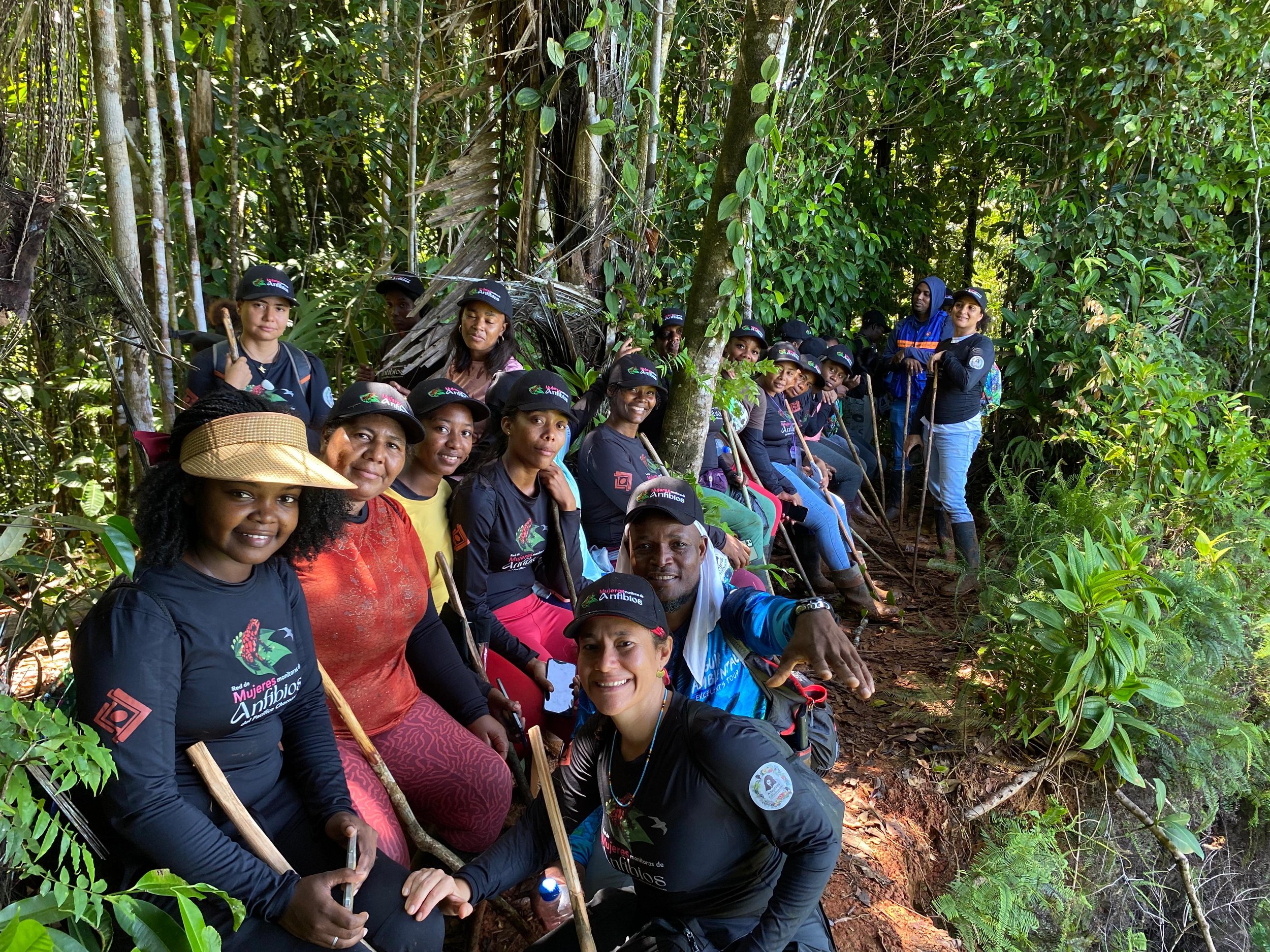
Women for Conservation focuses on protecting some of the world’s most endangered habitats by working directly with local communities—particularly rural and Indigenous women—as primary agents of conservation. Women for Conservation’s work targets high-biodiversity, high-threat ecosystems across the Global South, including the páramos and cloud forests of Colombia’s Sierra Nevada de Santa Marta, the tropical rainforests of the Chocó biogeographic region, the Upper Guinean forests of Sierra Leone and Liberia, and critical landscapes in Bolivia, Kenya, Madagascar, and Nepal. Superbloom funding will advance and strengthen Women for Conservation’s existing women-led conservation initiatives across priority biodiversity hotspots in the Global South, beginning in Colombia’s Sierra Nevada de Santa Marta and the Chocó region. Over the past years, Women for Conservation has built strong community-based programs that empower rural and Indigenous women as conservation leaders—integrating biodiversity protection, environmental education, sustainable livelihoods, and access to voluntary family planning. With Superbloom funding, Women for Conservation aims to deepen and scale this proven model to increase its impact and long-term sustainability. Specifically, Women for Conservation will:
• Expand women-led biodiversity monitoring networks, equipping trained participants with tools and continued mentorship to generate critical data for conservation action.
• Strengthen existing sustainable livelihood initiatives, including native plant nurseries, restoration efforts, and nature-based enterprises that reduce pressure on fragile ecosystems.
• Scale environmental education programs, such as the mobile classroom reaching rural schools, to foster a new generation of environmental stewards.
• Provide targeted seed grants and technical support to grassroots women-led groups already within their network, enabling them to grow and replicate successful solutions.
Superbloom funding will allow Women for Conservation to consolidate and amplify what is already working—ensuring that women at the frontlines of conservation have the resources, skills, and support needed to drive lasting change. By strengthening these initiatives, Women for Conservation is not only protecting critical ecosystems but also building resilient communities and scalable models for conservation worldwide.

-
For the Good supports women and protects nature by expanding education for Maasai girls and equipping them to lead on behalf of their families, communities, and the lands they depend on.
When girls access school and build agency, everything shifts. They delay the age at which they start their families, improving health outcomes and increasing their earning potential. They choose to have fewer children, which significantly reduces carbon emissions. We enable those choices by ensuring girls stay in school and by providing Sexual and Reproductive Health and Rights (SRHR) education, so they can make informed decisions about their bodies and futures.
Education also transforms how women steward land. Rooted in pastoralist livelihoods, the girls For the Good works with feel environmental challenges first and most intensely—drought, degraded rangelands, and scarce water and firewood. Their daily labor nurtures a distinctive relationship with the earth that shapes different decisions about how they manage their land and how they use forest resources—choices that directly affect biodiversity and soil and water conservation. Education provides the context to understand their lived experience and to advocate for more sustainable practices. Yet, they too rarely hold the land titles that allow them to drive that stewardship. In Kenya, women make up roughly 75% of the agricultural labor force but hold under 3% of land titles. In Loita, where Maasai women were recently granted land rights, For the Good helps them understand and exercise those rights. In Naikarra, where land titling has largely excluded women, For the Good forges pathways for them to gain a voice in land-use decisions.
Access to education as girls dramatically increases the likelihood that, as women, they will have the agency and voice to act on their unique knowledge and priorities. Investing in their education and leadership is one of the most powerful ways to secure resilience for their families, communities, and landscapes.
-
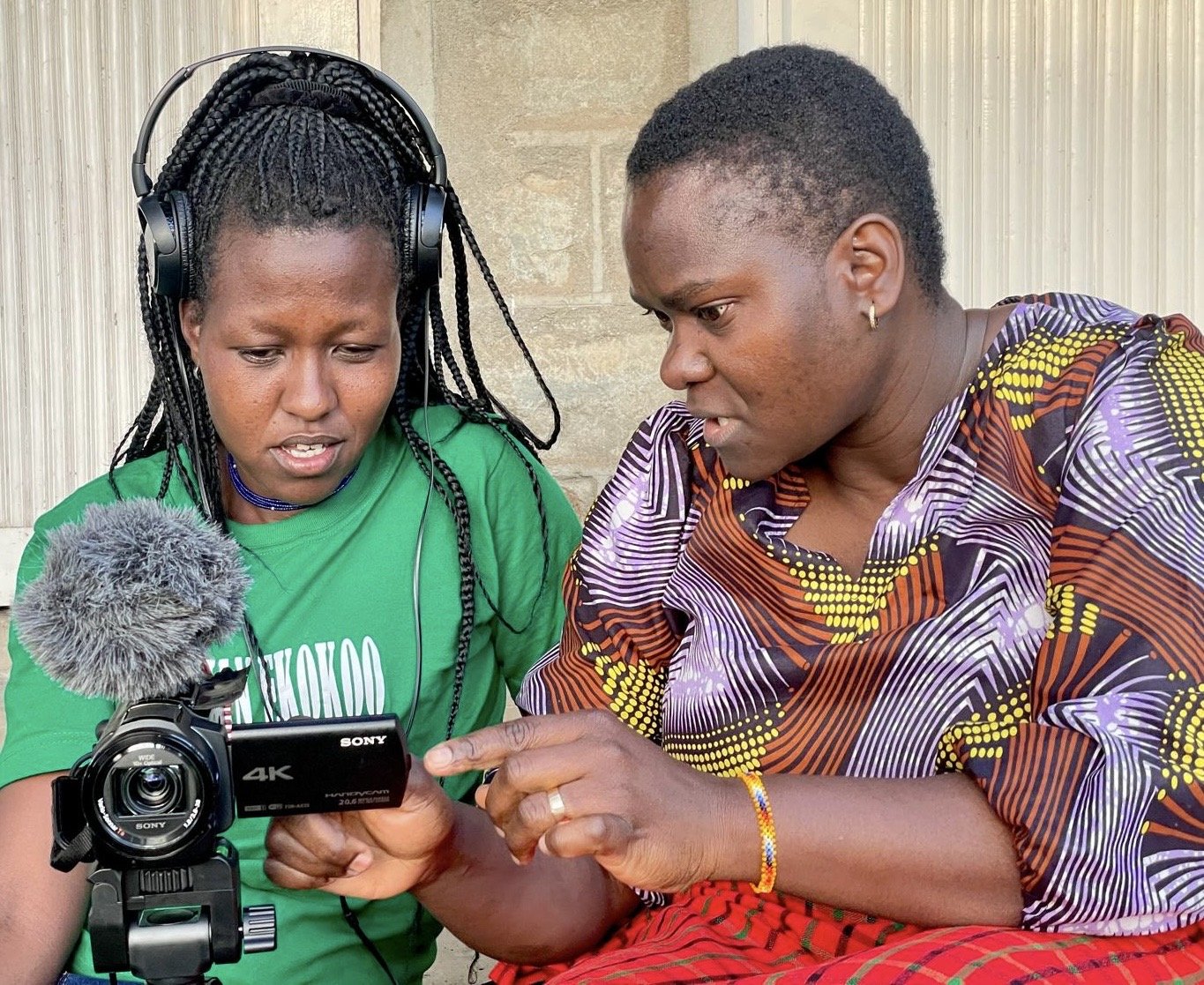
Nature Through Her Eyes envisions a future where bold, ambitious films by women are celebrated by global audiences—widening the lens through which the world sees nature and inspiring meaningful conservation action.
At the intersection of conservation, storytelling, and women’s leadership, Nature Through Her Eyes creates pathways that intentionally identify, educate, equip, train and mentor talented women filmmakers—particularly women of color and women from underrepresented regions of the world where access to resources, training, and global platforms has historically been limited. Through world-class mentorship, hands-on training, and access to international networks, Nature Through Her Eyes supports the development of films completed to the highest standards, connecting them to impactful global distribution and conservation campaigns.
These films are more than cinematic achievements; they are tools for education, dialogue and action. Each project is rooted in local knowledge and lived experience, addressing critical biodiversity, climate and human–wildlife coexistence challenges while strengthening relationships between people and the natural world.
Guided by the values of ambition, collaboration, confidence, integrity, and impact, Nature Through Her Eyes invests in women whose voices have been historically marginalized. In doing so, the organization helps shape a more inclusive, effective and globally resonant future for conservation storytelling and nature restoration.
-
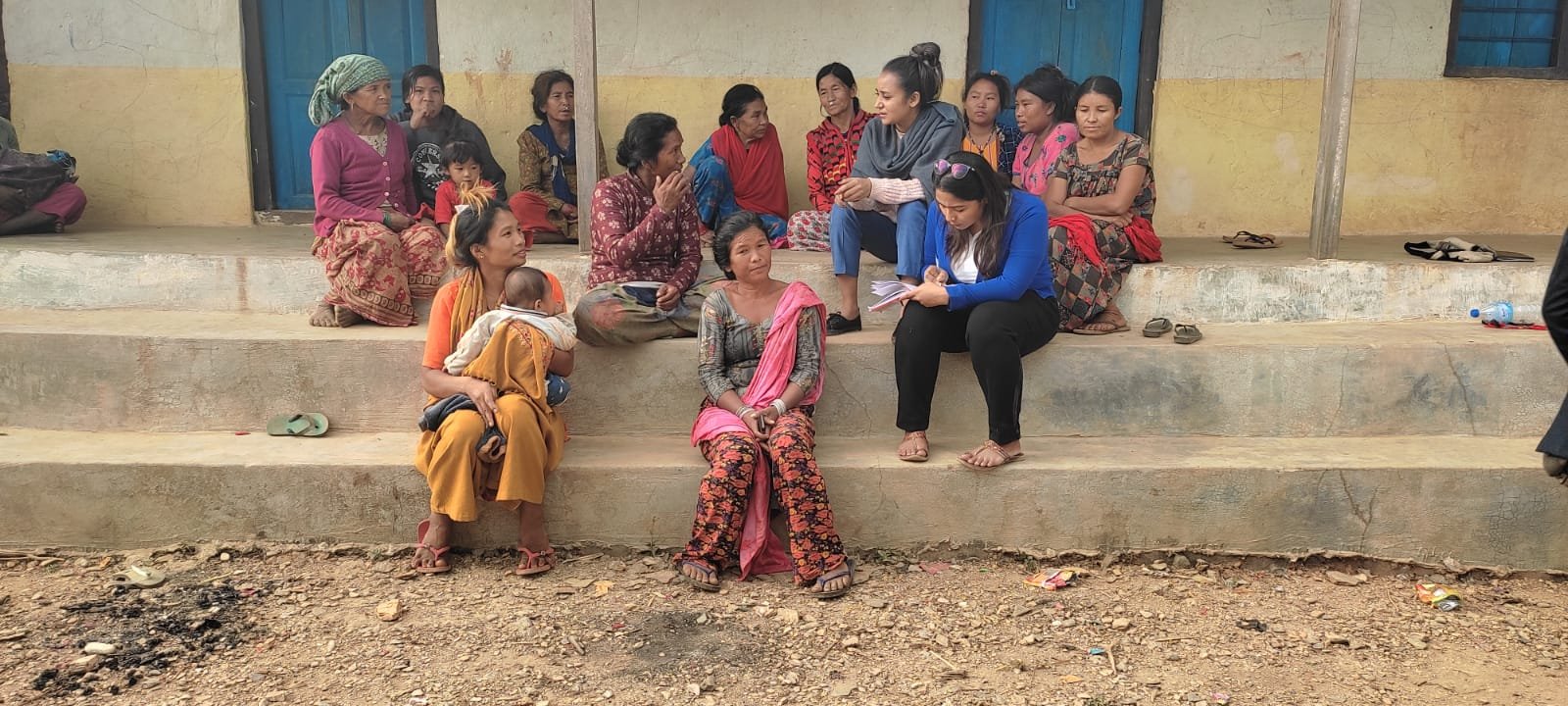
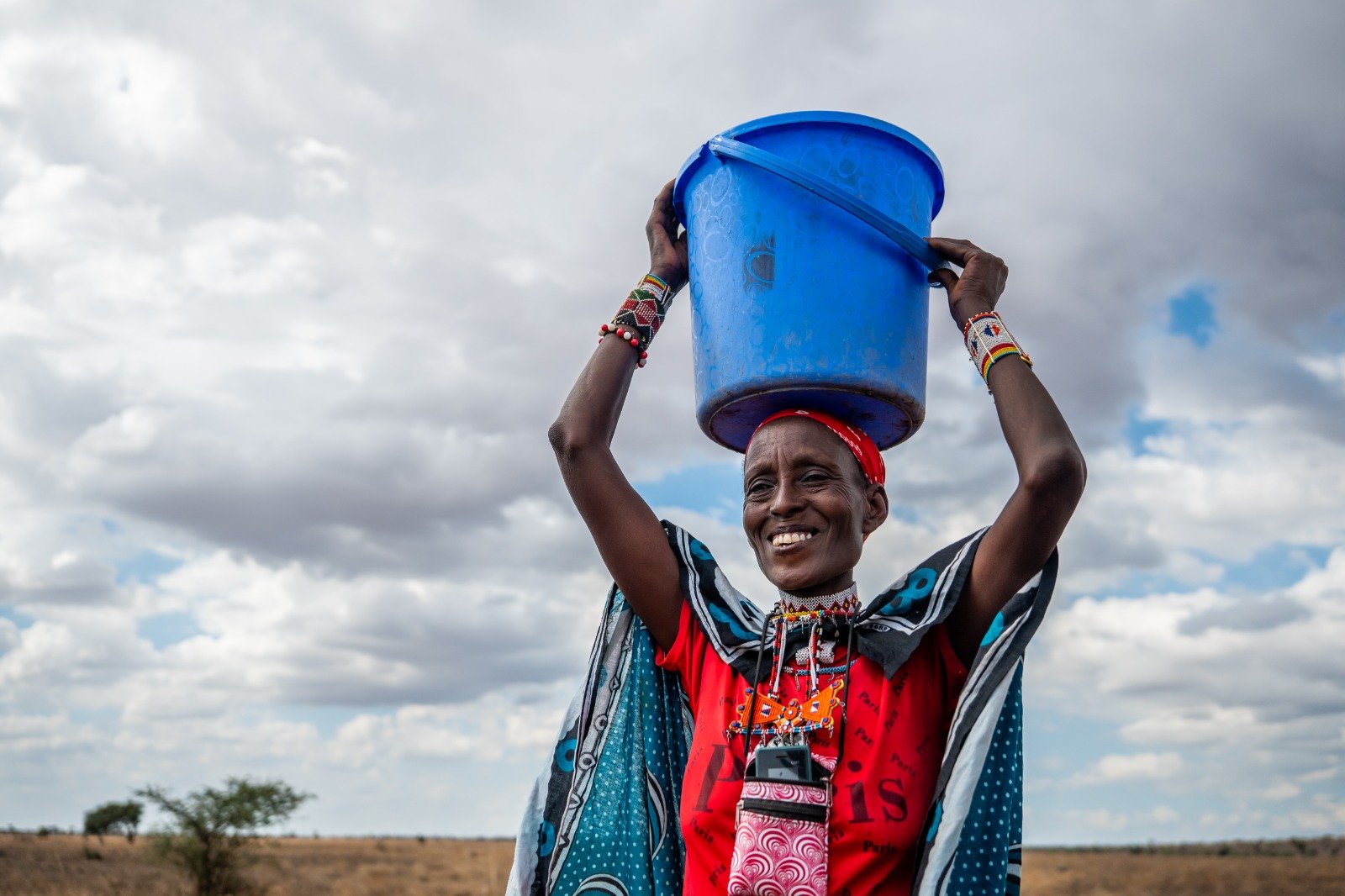
As Nepal is grappling with a climate crisis, facing complex disasters beyond our capacity to manage. As global temperatures continue to rise, Nepal’s future becomes increasingly uncertain. Similarly, climate-induced impacts are disproportionately felt by marginalized and Indigenous communities directly affecting livelihoods. Therefore, building climate resilience has become Nepal’s urgent need. Realizing this, Bighnaharta Nepal initiated a holistic approach to empower and uplift vulnerable communities across Nepal and mitigate the risk of landslides, fostering sustainable livelihoods, and contributing to a circular economy model, thus setting a national example for grassroots engagement, environmental conservation, climate action and women empowerment. Under this approach, Bighnaharta Nepal is raising funds for the Women-centric resource and innovation center project that they have started in Rakshirang rural municipality to establish the first-ever sustainable multipurpose resource center, creating a learning space for indigenous and marginalized communities, especially women to learn, share, and grow together. The local community and women will utilize the resource center as a learning platform and conduct trainings, meetings, broom production, and other activities. Bighnaharta Nepal also aims to create resilient, women-led environmental conservation and livelihood upliftment efforts, fostering coexistence with nature and a thriving ecosystem resilient to climate change.
-
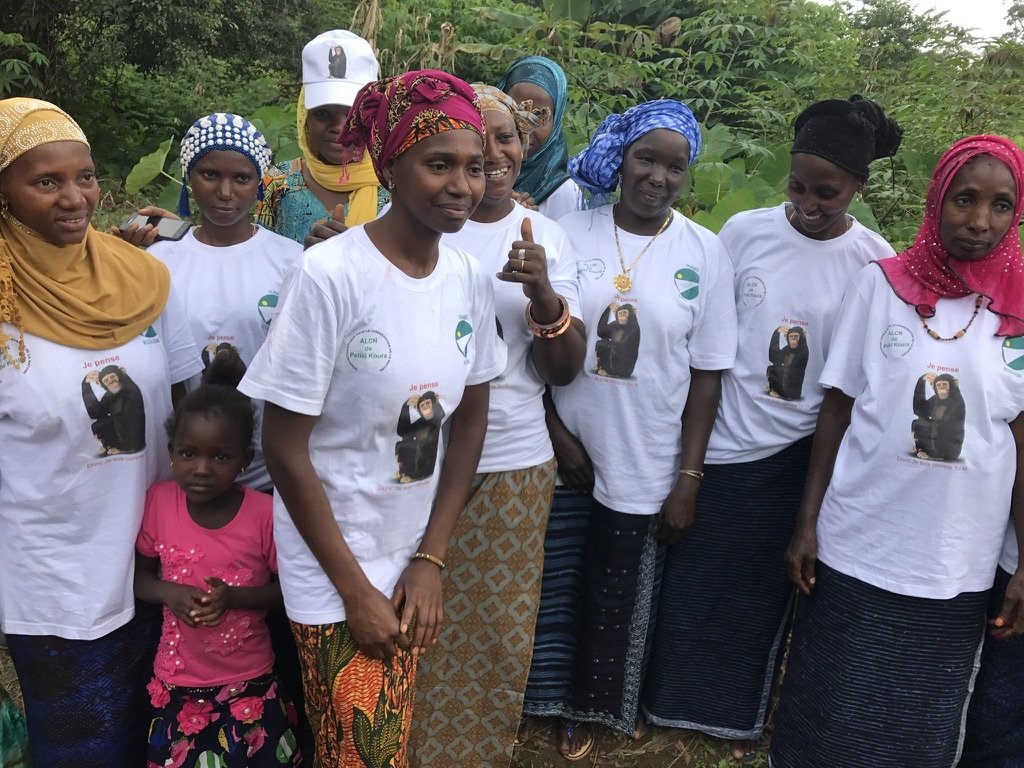
Summit Zambia 2026 brings together women climate leaders to unlock their greatest resource—each other. By fostering collaboration and meaningful relationships, the Summit builds a powerful network of women driving climate action across Zambia, with a vision to grow regionally and globally.
Designed as a transformative experience, the Summit opens doors to new opportunities, resources, and mentorship. Participants gain critical skills in climate finance, technology, leadership, and advocacy—equipping them to strengthen their initiatives and expand their impact.
Women leave the Summit with practical tools to navigate funding opportunities, hands-on experience with climate and wildlife technologies, and tailored leadership and advocacy training. Each participant also receives a small grant to support a community-based initiative, along with a Certificate of Achievement.
More than an event, the Summit is a launchpad—empowering women to protect ecosystems, uplift communities, and lead lasting, meaningful change.
-
Guinée-Ecologie is a non-governmental, non-profit organization, established in 1989, that promotes responsible and sustainable management of natural resources and the long-term protection of Guinea’s environment.
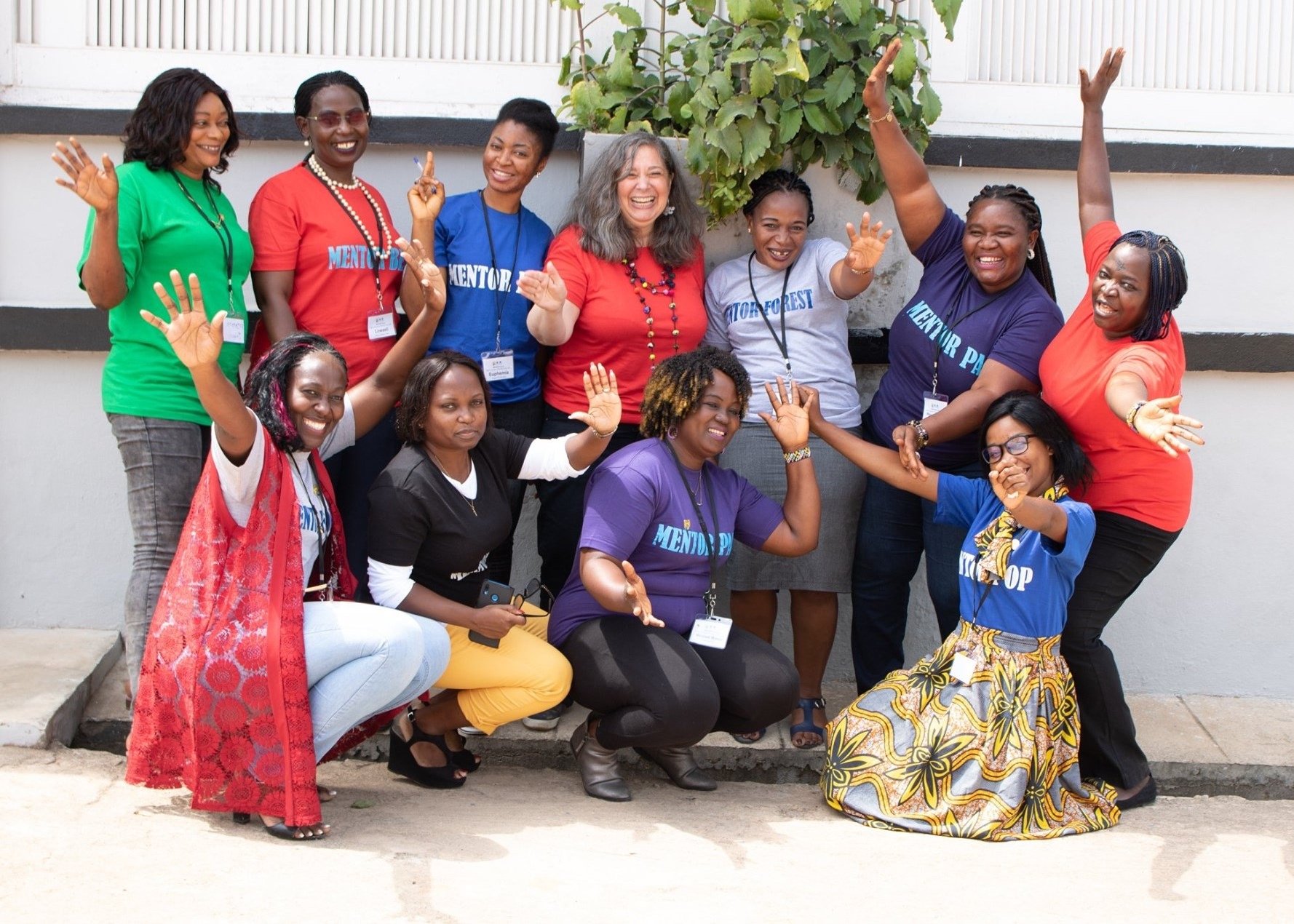
In Guinea’s Fouta Djallon highlands, the village of Pellel Koura borders the Saala Forest, a Key Biodiversity Area (KBA), Important Bird Area (IBA), and home to threatened species such as the West African chimpanzee, with sources of water essential for local communities and downstream ecosystems. Increasing pressure from fuelwood use, unsustainable agriculture, and water scarcity—exacerbated by climate change—has led to deforestation, habitat loss, and declining ecosystem services in Saala Forest. Women are disproportionately affected, as they are primarily responsible for collecting wood and water, yet they also hold critical knowledge for sustainable land management.
Guinée Écologie is partnering with 100 women in Pellel Koura village to distribute 60 fuel-efficient cookstoves to reduce wood consumption and associated health risks; establish 60 family nurseries to produce 12,000 tree seedlings for reforestation, food security, and income generation; and install a 3,000-liter water tank to improve water access and support nursery success. In this way, pressure on the Saala forest will be reduced, vegetation cover increased, household well-being improved, and women’s economic autonomy strengthened. By integrating traditional agroforestry systems (tapades) and providing hands-on training, this work emphasizes long-term sustainability and community ownership.
-
LeAP: Leadership for Africa’s Parks is a new initiative to enhance conservation leadership skills at African wildlife colleges and universities to improve wildlife conservation and support communities. LeAP works with selected faculty lecturers at partner institutions to fill gaps in curricula by embedding skills such as problem solving, teamwork, conflict management, and more into undergraduate curricula so that all wildlife graduates gain these essential conservation skills. LeAP’s Women’s Conservation Leadership Program provides additional and unique support for women.
Women offer valuable perspectives to advance conservation and protected & conserved area management, but face special challenges, including systemic barriers to education, cultural norms, harassment, and more. As part of the Women’s Conservation Leadership Program, LeAP holds monthly webinars for female faculty and students led by women conservation leaders who share their personal experiences and guide other women to success. Together, they will develop and solidify a network of LeAP Women Conservation Leaders who meet regularly to exchange information and ideas. LeAP will enhance its support of women to include female-only field visits to parks and communities, study tours to meet with decision makers, and LeAP workshops bringing together female lecturers, students, and leading women conservationists where women feel safe and heard as they learn from female role models. Professional career development opportunities for female lecturers will also enable them to grow and contribute to their universities.
Starting with four universities in West and Central Africa, LeaP will LeAP Higher and expand over time to include other universities, creating a Pan-African network.
LeAP is a project of Nature For Justice.
-
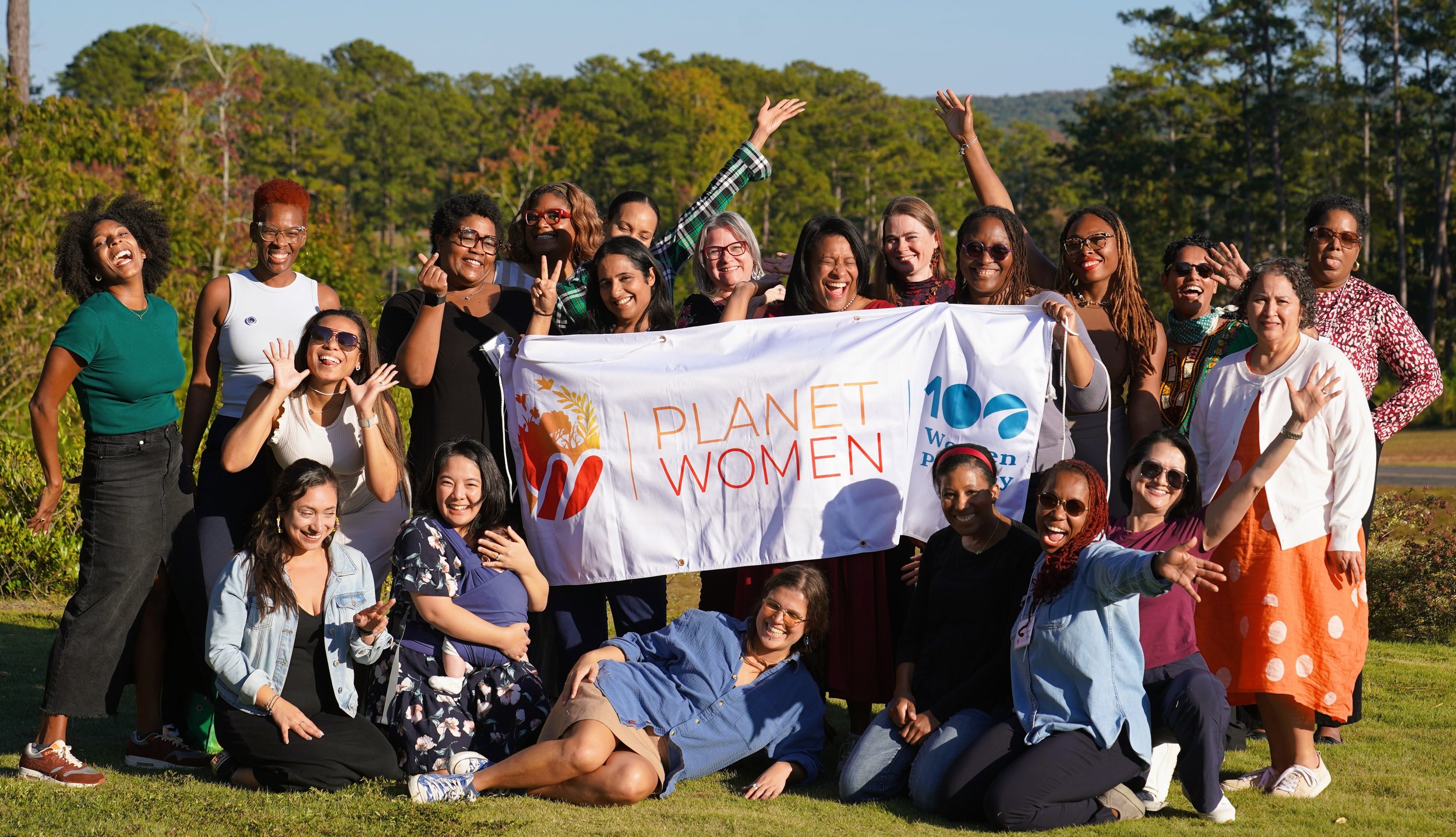
Planet Women partners with women to create a healthy planet for the benefit of all life. Research shows that gender equity is critical to solving the environmental crisis. Yet globally, women are under-resourced and underrepresented in senior roles in the environmental sector. Planet Women’s flagship programs—the 100 Women Pathway and Women's Leadership Circle—cultivate the current and future women leaders of the environmental movement, ensuring diverse voices are shaping solutions to the Earth's most pressing problems.
The 100 Women Pathway works with rising leaders at U.S.-based nonprofits to support them in honing their unique leadership qualities and personal narrative through group coaching, peer mentorship, and wisdom from Planet Women's CEO Network. So far, 64 women have participated and more than 25% have advanced their careers.
The Women's Leadership Circle offers skill-building and collective learning to women working in conservation and community development across Africa. Fourty-six women from 13 countries have completed the program, reporting increased self-confidence and a greater ability to self-advocate.
Planet Women also provides free and low-cost capacity-building workshops for the philanthropic sector to share knowledge, promote collaboration and seed an abundance mindset for all those working toward a better future. Planet Women not only supports individual leaders but also strengthens the broader ecosystem of women and allies working across conservation, climate, and environmental justice—from the Congo Rainforest to the Colorado River Basin.
-
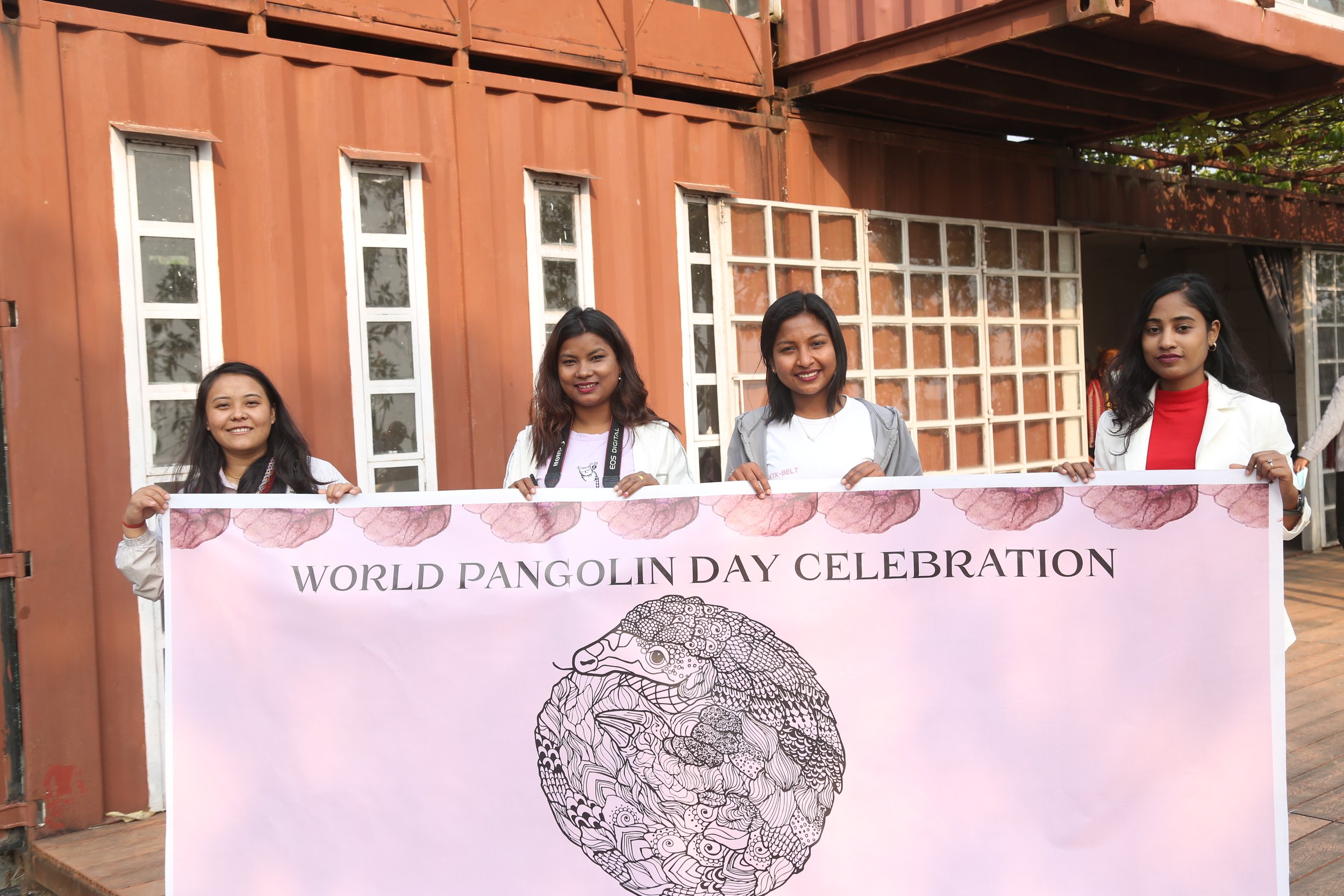
This grant is for an indigenous-led conservation program for the Chinese Pangolin (Manis pentadactyla) in Eastern Nepal. This initiative focuses on three local government units: Kerabari, Letang, and Miklajung, which represent critical habitats for Chinese Pangolins. While previous efforts in this region established pioneering local policies and general awareness, this project addresses the need for active on-the-ground monitoring, awareness, and nature-based tourism. The project area is dominated by indigenous communities, who collectively manage around 80 community forests. By leveraging their traditional knowledge and existing stewardship, the project aims to curb poaching and habitat fragmentation. Furthermore, this project will train six indigenous youth to conduct sign surveys and transect walks to map pangolin distribution and deter illegal activities. Other activities include establishing community-managed eco-trails in high-burrow-density areas to promote low-impact ecotourism and generate local revenue, producing a documentary to preserve oral histories and traditional ecological insights regarding pangolin behavior, and conducting interactive sessions in schools and local communities to foster long-term stewardship. Intended outcomes include the identification of core habitats for future protective zoning, the creation of sustainable ecotourism models managed by community forest user groups, and a measurable reduction in poaching through increased community engagement.
This project supports women and girls by positioning them at the forefront of conservation leadership and environmental education in Eastern Nepal. The leadership of Ganga Maya Limbu, a local youth conservationist from an Indigenous Limbu community based in Eastern Nepal and lead of the conservation wing of the Vertical Biodiversity Fund, serves as a direct model for female empowerment in a conservation context. Additionally, the project actively engages local students through interactive educational campaigns in three schools, ensuring that girls have early and equal access to environmental knowledge and stewardship opportunities. By involving the local indigenous community which includes indigenous Rai, Limbu, Magar, and Dalit in the development of pangolin eco-trails and the documentation of traditional knowledge, the project provides a platform for women to share their ecological insights and participate in new, sustainable economic opportunities through community-managed ecotourism. Success for this grant would be defined by the transition from policy-level advocacy to measurable on-the-ground protection of the Chinese pangolin through indigenous leadership.
This grant is given in partnership with the Mohamed bin Zayed Species Conservation Fund.
-
This project contributes directly to biodiversity conservation by protecting the habitat and population of the Endangered Pygmy Tarsier (Tarsius pumilus), one of Sulawesi’s endemic mammals. Mt. Rore Katimbu is an important montane forest ecosystem that supports many endemic species and functions as an essential water source for surrounding communities. Conserving this habitat will not only benefit pygmy tarsiers but also protect broader forest biodiversity and ecosystem services. The results will support future conservation planning by providing recommendations to local governments and environmental authorities regarding habitat management and potential protected area strengthening. In addition, this work promotes environmental awareness through engagement with local communities and conservation networks. By increasing ecological knowledge and supporting habitat preservation, the project contributes to long-term conservation outcomes for Sulawesi’s unique biodiversity. In addition to protecting biodiversity, this project supports women and girls by creating opportunities for their active participation in biodiversity conservation and environmental education in Central Sulawesi. Women are often underrepresented in field-based conservation activities, particularly in remote forest ecosystems. Through this initiative, women conservationists will be involved in research, species monitoring, environmental education, and community outreach activities. This initiative aims to empower women not only as beneficiaries but also as leaders and contributors to conservation solutions in Sulawesi. This grant seeks seed funding to support the conservation of the Endangered Pygmy Tarsier (Tarsius pumilus) in Mt. Rore Katimbu, Central Sulawesi, Indonesia. The project will involve field surveys, camera trapping, habitat assessment, and ecosystem monitoring to estimate population abundance, distribution, habitat condition, and threat levels.
This grant is given in partnership with the Mohamed bin Zayed Species Conservation fund.
We have already granted funding to these nine partners around the world.
And we are just getting started!